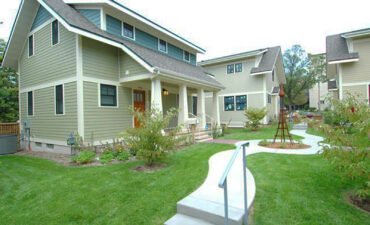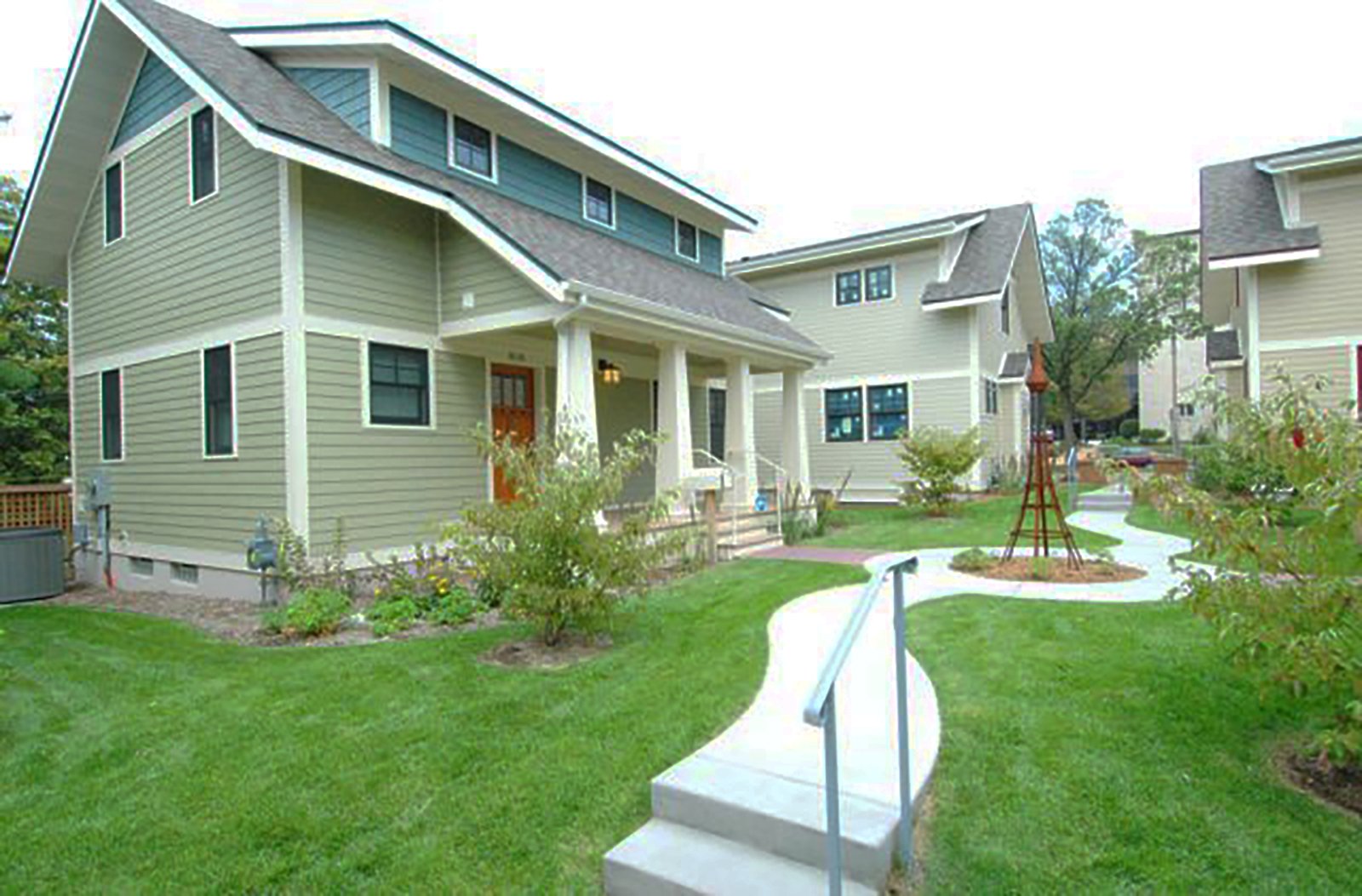
Small Minneapolis homes carry a unique blend of charm, functionality, and historical character. From early 20th-century bungalows to compact urban condos near the lakes or downtown, these homes were designed in eras with different lifestyle needs. As modern living requires more flexibility, storage, and multifunctional spaces, many homeowners find themselves navigating the challenges of limited square footage. Professional organizers, such as those at Bluebird Nest Organizing, have become an essential part of reshaping these homes—not by altering their structure but by redefining how each room supports the daily rhythm of life. Their work focuses on uncovering the potential within small spaces and transforming them into environments that feel spacious, calm, and purpose-driven.
Reworking Spaces to Reflect Current Lifestyles
Modern Minneapolis households often require rooms to serve more than one purpose. A small spare room may act as both a guest area and home office. A dining room in a compact bungalow might double as a homework station or project area. These shifting expectations create natural tension within small homes, especially when items from different activities merge together.
Professional organizers focus on how each room functions within the homeowner’s daily life. Their goal is not to change how the space is used, but to make sure the room supports those uses without feeling crowded or chaotic. In smaller Minneapolis homes, this often leads to redefining which items belong in a space and which ones quietly drifted in over time. As organizers rearrange the physical environment, the room becomes more aligned with its intended purpose, even if that purpose evolves throughout the week. This type of transformation allows residents to feel the room working with them rather than against them.
Maximizing Storage in Spaces With Tight Footprints
One of the most recognizable challenges in small Minneapolis homes is the limited storage built into the original floor plan. Closets are narrower, cabinets are fewer, and open shelving is minimal. Over the years, belongings naturally outgrow these confined areas. Professional organizers approach this challenge by identifying unused pockets of space—areas that aren’t serving a functional role but have the potential to support storage needs.
In many compact homes, vertical space offers untapped opportunity. High shelving, tall furniture, and smartly arranged built-ins can shift items off the floor and create visual breathing room. The organizers’ role is to make the most of the home’s footprint without overwhelming it. They blend the practical with the visual, ensuring that storage methods enhance the room’s flow rather than interrupt it. Through this process, even the smallest homes begin to feel more adaptable and capable of supporting modern lifestyles.
Creating Calm and Order in High-Traffic Areas
Daily routines often revolve around the same high-traffic spots: entryways, kitchens, living rooms, and hallways. In small Minneapolis homes, these areas feel the strain of movement more acutely. Winter gear accumulates in entryways; kitchen counters become landing zones; and living rooms host everything from remote-work setups to children’s activities. Over time, the natural flow of life creates a layer of clutter that reflects how busy the household truly is.
Professional organizers pay close attention to how these high-traffic zones behave throughout the day. They observe the items that come and go, the places where belongings naturally accumulate, and the moments when the space feels overworked. Their transformations are rooted in supporting the rhythms of the home rather than imposing strict systems that disrupt them. The result is a refreshed environment where movement feels easier, surfaces feel lighter, and the space aligns more closely with the family’s daily habits.
Understanding the Layout Constraints of Smaller Minneapolis Homes
Many homes in Minneapolis were built at a time when rooms were smaller, storage was minimal, and families lived differently than they do today. Kitchens were closed off, bedrooms lacked large closets, and basements carried more mechanical functions than living purposes. These structural characteristics influence how belongings settle into place and how people move throughout the home.
Professional organizing services take these unique layouts into account by studying the flow of the home and identifying where bottlenecks occur. Organizers notice patterns that homeowners may overlook—such as how high-traffic corners collect clutter or how little-used rooms slowly become storage spaces. By observing how residents interact with each space, experts reveal opportunities that homeowners often don’t see on their own. This approach highlights what the space is already doing well while addressing areas that no longer support everyday routines. Minneapolis residents who work with trusted local teams like those offering professional organizing services often discover that even very small homes hold untapped potential.
Shaping Small Homes Into Purpose-Driven Environments
One of the most impactful contributions of professional organizers is their ability to shift how homeowners perceive their space. In smaller Minneapolis homes, it’s easy to accept overcrowded rooms or cramped storage as unavoidable. Organizers challenge this assumption by showing how small changes to placement, flow, and purpose can dramatically reshape the experience of living in the home.
They help homeowners view their surroundings through a new lens—one that highlights the strengths of compact living rather than its limitations. This shift in perspective often becomes the true transformation. When residents see how their small home can support their routines and comfort, they engage with the space differently. The home begins to feel more open, more functional, and more reflective of the life lived within it.
Conclusion
Professional organizers play a meaningful role in transforming small Minneapolis homes by working closely with the natural flow of the space and the lifestyle of the people living in it. Their approach focuses on uncovering potential within limited square footage, reshaping rooms to reflect current needs, and helping homeowners experience their environments with renewed clarity. Through thoughtful observation and intentional organization, they bring balance to areas that once felt crowded or overwhelmed.
As Minneapolis continues to blend historic neighborhoods with modern living, small homes remain a treasured part of the city’s character. The work of professional organizers ensures that these compact spaces remain functional, comfortable, and adaptable to changing routines. Their ability to transform not just the layout but the overall feeling of a home makes a lasting difference in how residents experience daily life in even the coziest of Minneapolis spaces.