Electricity powers nearly every essential aspect of daily life, from lighting and climate control to cooking, cleaning, and entertainment. The convenience of modern living depends on a constant and reliable electrical flow. When something goes wrong, even a seemingly minor electrical issue can quickly become disruptive. Some situations are urgent enough to require immediate attention from a qualified electrician, not only to restore functionality but to protect the home and every person inside it. Emergency electrical repairs are different from routine fixes; they involve hazards that have already become active or are rapidly intensifying.
Electrical problems rarely appear suddenly without warning. Often, they stem from systems that have aged, been overloaded, become damaged, or were improperly installed. When these conditions intensify, risk levels rise, and the potential for fire, shock, or appliance damage becomes a real concern. Professional electricians have the training to diagnose these situations under pressure, identify the source of the emergency, and resolve the issue before it evolves into something more dangerous or costly.
Electrical Failures That Compromise Stability and Safety
Some electrical failures affect much more than lighting or appliance performance. They create unpredictable patterns that impact power distribution throughout the home. Flickering lights, repeatedly tripping breakers, burning odors, or visible sparks indicate unstable electricity moving through circuits that are no longer functioning safely. These conditions point to underlying issues such as overheating conductors, short circuits, or loose connections. Each of these hazards presents an immediate threat if left unchecked.
During an emergency repair, electricians are trained to locate these hidden failures quickly. They understand how electricity behaves when disrupted and can trace that activity back to its source. The rapid assessment helps prevent a situation from escalating. Electrical emergencies require decisive intervention, and homeowners cannot rely on temporary fixes or guesswork. Professional service from integrity electric mn ensures that solutions are based on technical knowledge rather than convenience, stopping dangerous conditions at their origin rather than merely treating the symptoms.
Overloaded Circuits and the Strain of Modern Energy Use
In today’s homes, the demands placed on electrical systems are significantly greater than in the past. Air conditioners, smart appliances, computers, high-powered cooking devices, and entertainment systems can all run simultaneously. When circuits are not built or updated to handle such loads, the excess current causes the breaker to trip repeatedly. While a tripped breaker may seem inconvenient, its purpose is to protect wiring from overheating. If the breaker fails or is tampered with, the wiring can overheat to the point of igniting surrounding materials.
Overloaded circuits represent one of the most common causes of emergency electrical calls. Even newer homes experience these issues when appliances are placed on circuits not designed for them. In older homes, the strain becomes even more dangerous due to outdated wiring and limited panel capacity. Electricians responding to emergencies analyze not only the circuit in question but also how power is distributed throughout the home. These evaluations determine whether the failure is isolated or part of a larger overload affecting the entire electrical system.
Electrical Fires and Burnt Wiring Indicators
One of the most serious consequences of electrical malfunction is the potential for fire. When wiring overheats, insulation melts, and components become scorched, the damage may not be immediately visible from the outside. In many instances, the first warning signs include a burning smell, discolored outlets, or smoke near appliances or switches. These signs indicate intense heat forming within the circuits, and at this stage, the risk has already escalated beyond a minor concern.
Electrical fires can start silently inside walls or ceilings, with no flame visible until it spreads. Professional electricians are trained to enter emergency situations and identify whether fire damage has begun or is likely to occur. They inspect not only the affected circuit but the nearby wiring and panel capacity that may have contributed to overheating. In the event that old or unstable wiring needs correction, emergency repairs help prevent further heating by stabilizing the flow of current before replacing damaged sections.
Power Outages Caused by Internal Home Wiring Issues
When a home loses power while surrounding houses remain unaffected, the issue often originates inside the property’s own electrical system. This type of outage signals a failure in the home’s wiring or panel, not the public utility. The causes may include failed breakers, damaged service cables, moisture reaching electrical components, or internal short circuits. A complete power loss can be especially dangerous if refrigerators, heating systems, or medical equipment rely on electricity to maintain safe living conditions.
Local electricians pinpoint whether the failure is confined to a single area, an entire circuit group, or the main service connection. Internal outages are treated as emergencies because they may involve exposed wiring or compromised components that can cause shock or fire upon reactivation. Emergency assistance prevents homeowners from attempting unsafe resets or temporary fixes. When larger corrections are required, professionals who specialize in electrical rewiring can restore safe power distribution and reinforce wiring integrity to avoid future outages.
Damage from Weather, Water, and External Conditions
Unexpected environmental events can transform a functioning electrical system into an urgent hazard. Lightning strikes, heavy rainfall, flooding, and storm damage frequently affect exterior components such as service masts, outlets, and outdoor circuits. Water intrusion poses immediate danger because moisture conducts electricity unpredictably, creating shock risks even without visible sparks. In many cases, water damage inside outlets and panels can lead to corrosion that weakens protective devices over time.
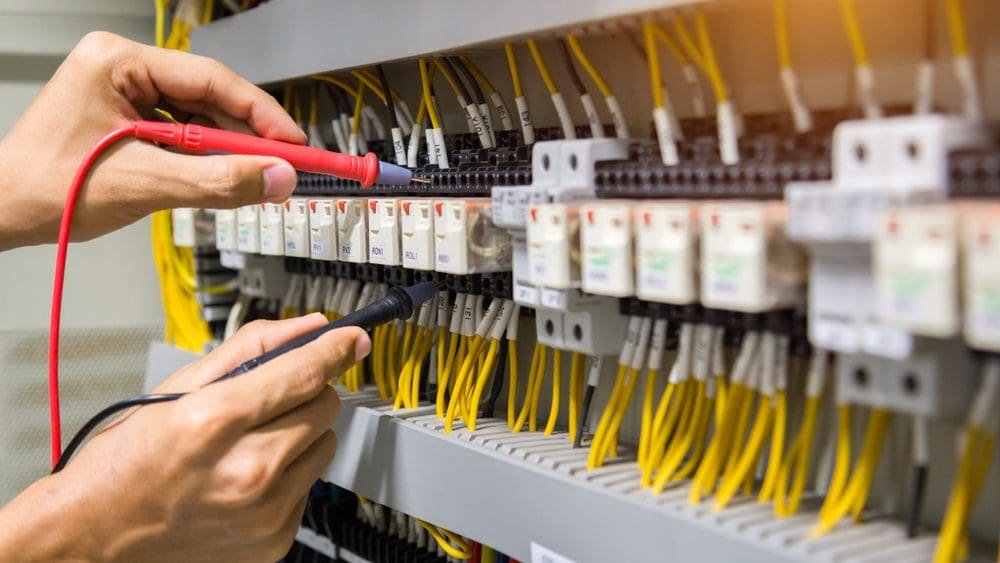
During emergency calls triggered by weather or water exposure, electricians assess how far moisture has traveled into electrical pathways. They measure resistance, check panel integrity, and test grounding systems to ensure that electricity can be redirected safely. Because damaged components do not always fail immediately, emergency evaluation and immediate adjustments reduce the likelihood of delayed electrical fires or short circuits in the days following a storm.
Conclusion
Emergency electrical repairs address risks that have already become active threats. Unlike routine maintenance or minor fixes, these urgent situations require immediate diagnosis and professional intervention. The hazards associated with unstable wiring, overloaded circuits, fire indicators, and sudden internal outages demand the expertise of trained electricians who understand how to secure a system safely and efficiently.
Professionals respond not only to restore electricity but to prevent deeper damage that may remain unseen. Their experience ensures that crises are resolved at their source, protecting homes from electrical hazards that escalate without warning. When emergencies arise, professional repair becomes one essential step that preserves safety, stability, and peace of mind for every household.