Electrical systems are essential to both homes and businesses, yet the scope, complexity, and requirements of electrical work vary significantly between residential and commercial properties. While both rely on electricity to function safely and efficiently, the underlying systems are designed for very different purposes. Understanding the distinction between residential and commercial electrical services helps property owners, managers, and developers recognize why specialized expertise is required for each environment.
At a glance, residential and commercial electrical work may seem similar, involving wiring, panels, outlets, and lighting. However, differences in power demand, building size, equipment usage, and safety regulations create a clear separation between the two. These differences influence how systems are designed, installed, maintained, and repaired. Exploring these distinctions provides clarity on why the right type of electrical service matters for each property type.
Understanding Residential Electrical Services
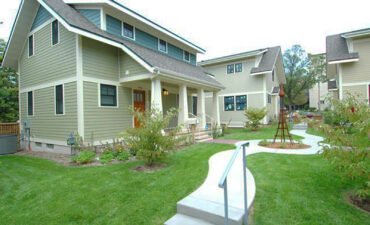
Residential electrical services focus on powering private living spaces such as houses, apartments, and condominiums. These systems are designed to support daily household activities, including lighting, cooking, heating, cooling, and entertainment. Residential electrical systems typically operate on lower voltage levels and are structured to serve a limited number of occupants.
The wiring in residential properties is usually simpler, with fewer circuits and smaller panels compared to commercial buildings. Electrical layouts are designed to distribute power efficiently across rooms while maintaining safety and accessibility. Although residential systems may appear straightforward, they must still meet strict safety standards to protect occupants and property.
Understanding Commercial Electrical Services
Commercial electrical services support businesses, offices, retail spaces, industrial facilities, and large public buildings. These environments require significantly more power to operate lighting systems, machinery, data infrastructure, and specialized equipment. As a result, commercial electrical systems are larger, more complex, and designed to handle continuous high-demand usage.
Commercial properties often use three-phase power systems, which provide greater efficiency and stability for heavy electrical loads. Wiring networks in commercial buildings are extensive and must accommodate future expansion. These systems are built with scalability in mind, allowing businesses to add equipment or increase capacity without overhauling the entire electrical infrastructure.
Differences in Electrical Load and Power Demand
One of the most significant differences between residential and commercial electrical services is electrical load. Residential properties typically consume less electricity, as household appliances and electronics operate intermittently. Electrical panels in homes are sized to support moderate usage patterns and are rarely pushed to their maximum capacity.
Commercial properties, on the other hand, often operate equipment continuously throughout the day. Lighting systems, computers, HVAC units, and industrial machinery can run for extended periods, placing sustained demand on electrical systems. This increased load requires larger panels, more circuits, and specialized components. Managing these demands effectively requires the expertise of an expert Electrician who understands how to balance power distribution without compromising system stability.
Wiring Systems and Materials Used
Residential wiring systems are typically concealed within walls and ceilings and use standardized materials suitable for moderate electrical loads. The focus is on safety, efficiency, and ease of maintenance. Residential wiring layouts are relatively simple and designed for predictable usage patterns.
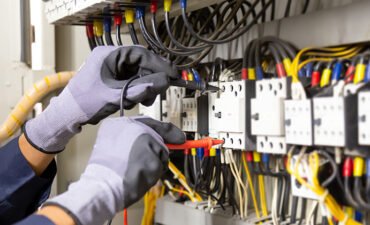
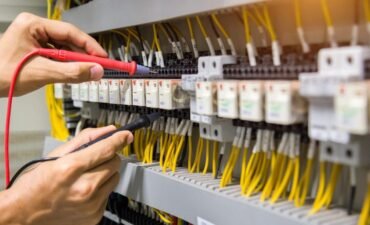
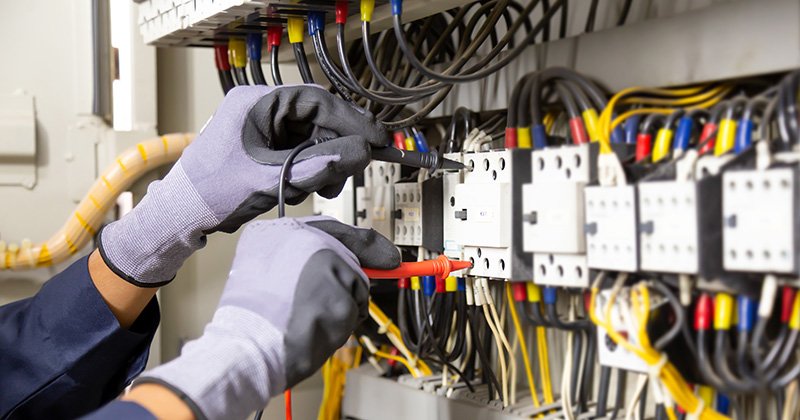
Commercial wiring systems differ significantly in scale and design. They often involve conduit systems, cable trays, and exposed wiring for accessibility and durability. Materials used in commercial settings are selected to withstand higher currents, environmental stress, and constant operation. The complexity of these systems requires detailed planning and precise execution to ensure consistent performance.
Electrical Codes and Regulatory Requirements
Both residential and commercial electrical services must comply with electrical codes, but the regulations governing commercial properties are typically more extensive. Commercial buildings are subject to stricter standards due to higher occupancy levels and increased safety risks. These regulations cover everything from emergency lighting to backup power systems and fire safety integration.
Residential codes focus primarily on occupant safety and system reliability within smaller environments. While still rigorous, they are generally less complex than commercial regulations. Compliance in both settings is essential, but commercial projects often involve more inspections and approvals due to their scale and public exposure.
Equipment, Fixtures, and System Complexity
Residential electrical systems support common household fixtures such as outlets, switches, ceiling lights, and standard appliances. While modern homes may include advanced features like smart systems or electric vehicle chargers, the overall complexity remains manageable.
Commercial electrical systems support a wide range of specialized equipment, including industrial lighting, security systems, data centers, elevators, and backup generators. These systems must integrate seamlessly to maintain business operations. The interconnected nature of commercial electrical infrastructure increases complexity and requires advanced technical knowledge.
Maintenance and Long-Term Performance
Maintenance requirements also differ between residential and commercial electrical systems. Residential maintenance typically addresses wear and tear caused by everyday use. Issues are often localized and resolved without significant system disruption.
Commercial systems require ongoing monitoring to ensure uninterrupted performance. Because businesses rely heavily on electricity, even minor disruptions can lead to operational downtime. Preventative maintenance and system evaluations are more common in commercial environments to ensure reliability. Businesses often rely on established professionals like Great North Electrician to manage complex systems and maintain long-term operational efficiency.
Cost Structure and Project Scope
The cost structure of residential and commercial electrical services reflects the difference in scope and complexity. Residential projects are generally smaller, with predictable timelines and material requirements. Costs are typically associated with installation, repair, or upgrades within a limited space.
Commercial electrical projects involve larger teams, specialized equipment, and extended timelines. Planning, design, and compliance add to the overall cost. However, these investments support high-capacity systems designed for durability and scalability. The broader scope of commercial projects demands precise coordination and technical expertise.
Conclusion
Residential and commercial electrical services serve distinct purposes shaped by differences in power demand, system complexity, and regulatory requirements. Residential systems focus on supporting everyday living in smaller environments, while commercial systems are built to sustain continuous, high-demand operations. These differences influence everything from wiring materials to maintenance strategies and overall system design.
Understanding these distinctions highlights the importance of choosing the right electrical expertise for each property type. Whether managing a home or a business, recognizing how residential and commercial electrical services differ ensures that electrical systems are designed, maintained, and operated safely and effectively.